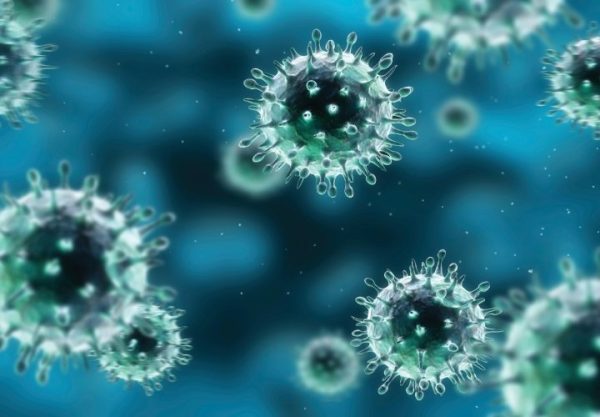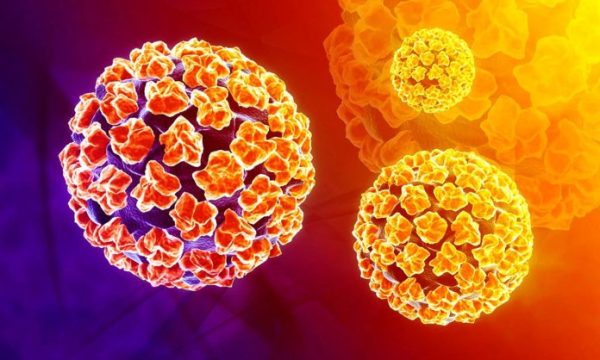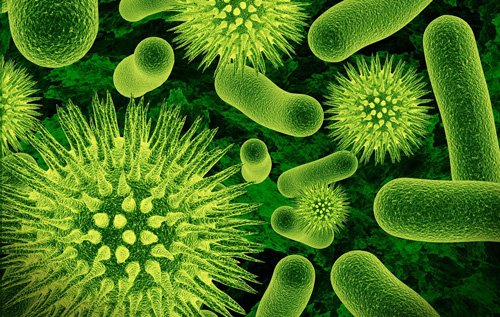

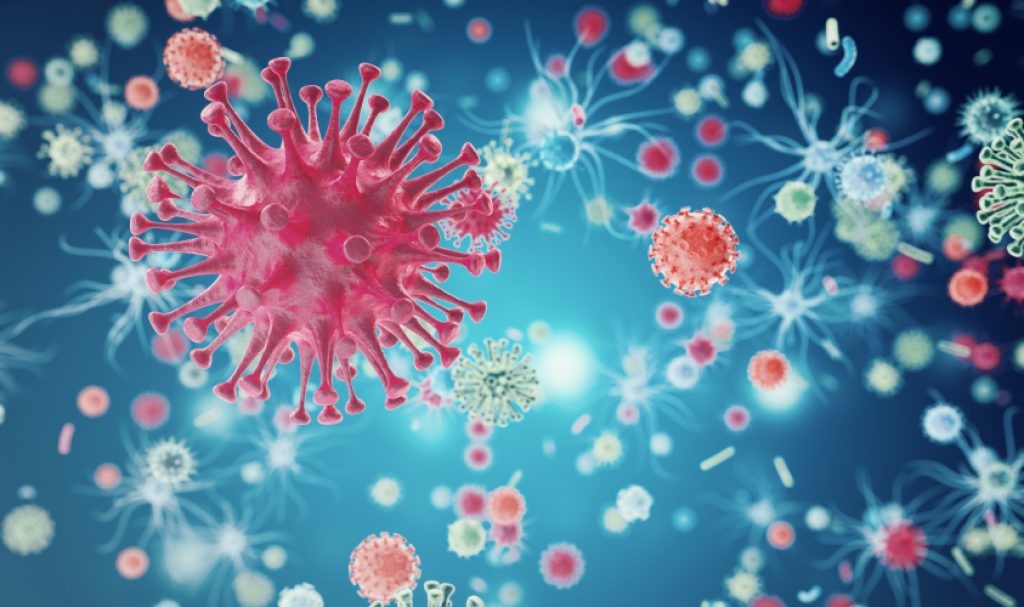
Daca iti imaginezi ca nu ai virusi in organims, te inseli! Corpul uman contine colonii extinse de microorganisme, care constituie microbiomul nostru, si care au evoluat constant inca de la aparitia omului. Oamenii de stiinta au inceput recent sa cuantifice microbiomul si au descoperit ca este gazda a cel putin 38 de trilioane de bacterii! Cu toate acestea, bacteriile nu sunt cele mai abundente microorganisme, care traiesc in simbioza in si pe corpul nostru. Acest loc il ocupa…virusii!
S-a estimat ca organismul gazduieste peste 380 de trilioane de virusi, o comunitate denumita viromul uman. Dar acesti virusi nu sunt cei periculosi despre care se aude in mod obisnuit; nu sunt ca cei care provoaca gripa sau raceala sau infectii periculoase precum Ebola sau febra Dengue. Multi dintre acesti virusi infecteaza bacteriile care traiesc in corp si sunt cunoscuti sub numele de bacteriofage. Corpul uman este un teren de reproducere pentru bacteriofage si, in ciuda abundentei lor, avem foarte putine informatii despre ceea ce fac toate acestea sau oricare dintre ceilalti virusi din corp.
Studiul viromului uman ramane destul de mult in urma studiului asupra bacteriilor, astfel incat abia acum descoperim unele dintre cele mai fundamentale caracteristici ale acestora. Acest decalaj se datoreaza faptului ca oamenilor de stiinta le-a luat mult timp sa recunoasca prezenta unui virom uman, cat si din lipsa de instrumente standardizate si sofisticate pentru a descifra ceea ce este de fapt in acest virom. Acesti virusi care au evoluat cu noi de la inceputurile fiintei umane nu sunt doar o parte din trecutul nostru, ci vor juca un rol semnificativ in viitorul sanatatii umane.
Virusii sunt esentiali pentru reteaua de microorganisme complexe si dinamice care se afla in interiorul corpului. Infectiile din primii ani de viata cu anumiti viruși a fost chiar demonstrata ca schimba expresia genelor legate de raspunsurile la vaccinare, atat la soareci, cat si la oameni, ceea ce ar putea explica de ce unele persoane sunt mai susceptibile de efecte adverse decat altele.
In ciuda credintei comune ca virusii sunt vectori ai morbiditatii si mortalitatii, realitatea este ca
aproximativ opt la suta din materialul genetic uman provine de la virusi si nu de la stramosii nostri.
Cercetarile efectuate intr-un studiu din 2010 arata ca genomul oamenilor si al altor mamifere contine ADN-ul derivat din inserarea virusilor ARN a caror replicare si transcriptie are loc in nucleu.
Majoritatea virusilor nu sunt nici „buni”, nici „rai”, deoarece un virus ar putea avea multiple efecte imunomodulatoare adverse dar si benefice asupra gazdei, efecte care sunt dependente de locatia anatomica, de genotipul gazdei si de prezenta altor agenti infectiosi si microbi comensali. Acest lucru confirma ceea ce
Louis Pasteur, parintele imunizarii si al pasteurizarii, a recunoscut pe patul sau de moarte: conteaza contextul biochimic si mediul fiziologic, mai degraba decat agentul patogen infectios.
Virusi care ne mentin sanatosi?
Cercetatorii au descoperit ca latenta unor virusi poate oferi gazdei beneficii pentru sanatate. Intr-un studiu din 2007 s-a descoperit ca soarecii purtatori de infectii latente cu virusul herpetic gamma murin 68 sau citomegalovirus murin, (analogi genetici la agentii patogeni umani – virusul Epstein-Barr si citomegalovirusul uman), au prezentat rezistenta la infectii bacteriene cu Listeria monocytogenes si Yersinia pestis.
Mutatiile genei Hoil-1 determina ca persoanele cu alele de risc sa fie extrem de sensibile la infectii bacteriene. Pentru a examina implicatiile acestei mutatii, cercetatorii au studiat soarecii cu mutatii echivalente, care au murit atunci cand au fost infectati cu anumite bacterii si paraziti, inclusiv Listeria monocytogenes, Toxoplasma gondii si Citrobacter rodentium. Aceasta s-a datorat unei productii afectate de citokine proinflamatorii, care sunt necesare pentru rezistenta la acesti patogeni.
Cu toate acestea, cercetatorii afirma ca infectia latenta cu virusul herpetic murin a salvat soarecii cu mutatia HOIL-1 in timpul infectiei cu Listeria si a indus niveluri ridicate de citokina protectoare, interferon-gamma (IFNγ). IFNy este o citokina pe care organismul o produce la expunerea virala, care promoveaza neutralizarea virusilor cu anticorpi si uciderea celulelor infectate virale de catre celulele imune limfocite T citotoxice si celule killer naturale.
Intr-un studiu inovator publicat in Nature s-a descoperit ca un virus ARN enteric poate inlocui si compensa pentru bacteriile comensale benefice din intestin.
Cercetatorii au descoperit ca la soarecii fara microbi sau tratati cu antibiotice, care erau infectati cu norovirusul murin, s-a restabilit morfologia intestinala si functia limfocitelor, fara a induce inflamatie si boala in exces. Norovirusul a „compensat” pentru lipsa bacteriei comensale benefice, indicand ca acest tip de virusi are capacitatea sa sprijine homeostaza intestinala si sa contribuie la restabilirea sistemului imunitar al intestinului (la nivelul tesuturilor mucoase), la fel cum o face bacteria comensala.
Concluziile studiului au fost ca: infectia cu norovirus a declansat repararea tesutului intestinal deteriorat de inflamatie, a restabilit numeroase celule intestinale si functia celulara intestinala.
Aceste noi descoperiri sunt primele dovezi puternice conform carora
virusii din tractul gastro-intestinal pot ajuta la mentinerea sanatatii si la vindecarea unui intestin deteriorat.
Dupa cum este raportat in articolul Science Daily, investigatorul principal al studiului, Ken Cadwell, PhD, de la Universitatea New York, afirma:
Stim de multa vreme ca oamenii se infecteaza tot timpul cu virusi si bacterii si nu se imbolnavesc. Acum avem dovezi stiintifice ca nu toate infectiile virale sunt rele, ci pot fi de fapt benefice sanatatii, la fel cum stim ca multe infectii bacteriene sunt bune pentru mentinerea sanatatii.
In concordanta cu „ipoteza igienei”, infectiile naturale din timpul copilăriei si dupa, pot intari sistemul nostru imunitar si pot ajuta la echilibrarea polilor de imunitate Th1 (innascut) si Th2 (adaptiv). Factorii care perturba acest echilibru determinat in mod evolutiv, pot contribui la o dereglare imuna, atat prin suprimarea mecanismelor imunitare innascute, cat si prin stimularea excesiva a polului adaptativ, contribuind la autoimunitate raspandita la populatia moderna.
Pentru consultanta de specialitate in problemele tale de sanatate, poti programa o consultatie aici.
Resurse:
http://www.renegadetribune.com/profound-implications-of-the-virome-for-human-health-and-autoimmunity/
Barton, E.S. et al. (2007). Herpesvirus latency confers symbiotic protection from bacterial infection. Nature, 447(7142), 326-329.
Cadwell, K. et al. (2015). The virome in host health and disease. Immunity, 42(5), 805-813.
Canny, S.P. et al. (2013). Latent gammaherpesvirus 68 infection induces distinct transcriptional changes in different organs. Journal of Virology, 88, 730-738.
MacDuff, D.A. et al. (2015). Phenotypic complementation of genetic immunodeficiency by chronic herpesvirus infection. eLIFE, 4, e4494.
Takeuchi, O., & Akira, S. (2009). Innate immunity to virus infection. Immunological Reviews, 227, 75–86.
Bok, K. et al. (2016). Epidemiology of Norovirus Infection Among Immunocompromised Patients at a Tertiary Care Research Hospital, 2010–2013. Open Forum on Infectious disease, 3(3), ofw169. doi: 10.1093/ofid/ofw169
Baldridge, M.T. et al. (2015). Commensal microbes and interferon-λ determine persistence of enteric murine norovirus infection. Science, 347(6219), 266-269. doi: 10.1126/science.1258025
Karst, S.M. et al. (2016). The influence of commensal bacteria on infection with enteric viruses. Nature Reviews Microbiology, 13, 197-204. doi:10.1038/nrmicro.2015.25
Nice, T.J. et al. (2015). Interferon-λ cures persistent murine norovirus infection in the absence of adaptive immunity. Science, 6219, 269-273. doi: 10.1126/science.1258100.
Norman, J.M. et al. (2015). Disease-specific alterations in the enteric virome in inflammatory bowel disease. Cell, 160(3), 447-460. doi: 10.1016/j.cell.2015.01.002.
Tracey, K.J. (2017). The inflammatory reflex. Nature, 420, 853–859.
https://www.ncbi.nlm.nih.gov/pmc/articles/PMC4257755/
https://www.sciencedaily.com/releases/2010/01/100107103621.htm